If you’ve spent any time researching dropshipping, you’ve probably heard about using suppliers on AliExpress. And while it can work, there are a lot of problems that come with it.
In fact, I’ve always been surprised that more people aren’t talking about a strategy that solves many of these issues.
Because if you’re running a typical AliExpress dropshipping store, you’ll eventually run into the same challenges:
- Long shipping times
- Inconsistent product quality
- Unreliable suppliers
- Low profit margins
These problems often lead to unhappy customers, negative reviews, refund requests, and chargebacks.
On a small scale, you can usually manage it. But once you start scaling your store, these issues tend to spiral out of control and can quickly damage your business.
That’s why I use a different approach.
Instead of relying on standard public listings, I use something called VIP listings.

What Is a VIP Listing?
A VIP listing (sometimes called a VIP link) is a private product listing created specifically for you by a supplier.
It’s hidden from the public and only accessible to you.
When you place orders through this listing, the supplier knows exactly who you are and applies the special terms you’ve negotiated.
Those terms could include:
- Lower product pricing
- Faster shipping methods
- Priority order processing
- Improved product quality
Essentially, it turns a regular dropshipping relationship into something much closer to a supplier partnership.
Why Typical AliExpress Dropshipping Breaks Down
Before explaining the process, it’s important to understand why traditional dropshipping from AliExpress often fails when people try to scale.
Many beginners simply find a trending product, list it in their store, run ads, and rely on whichever supplier they happen to pick.
The problem is that many suppliers on AliExpress are not large companies like they claim.
Some are:
- Small home-based resellers
- Middlemen buying from cheaper platforms
- Other dropshippers reselling products
Many of them source their products from platforms like 1688, which is essentially a domestic Chinese wholesale marketplace.
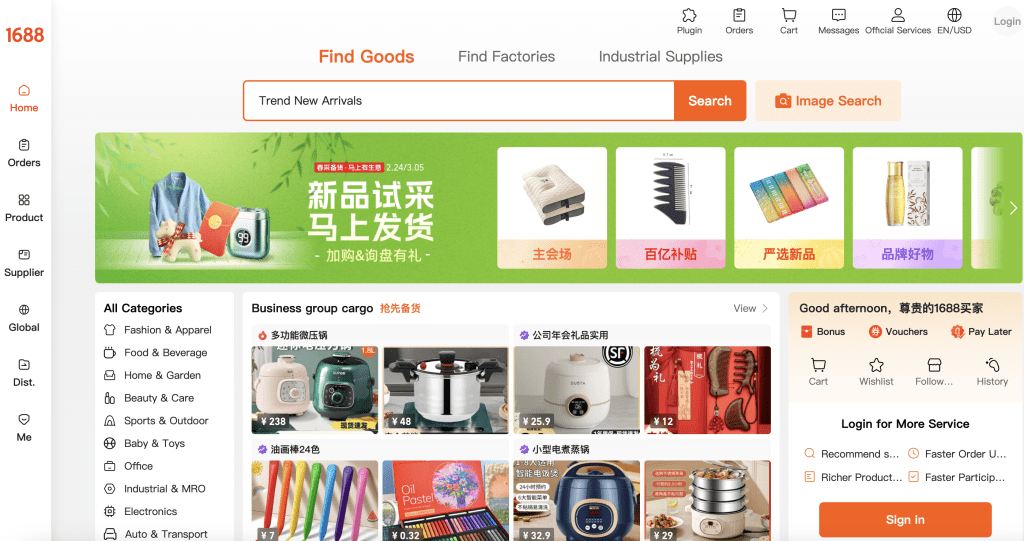
So if you don’t properly vet suppliers, you can easily end up working with someone who has no real control over inventory, quality, or shipping.
And that’s when problems start.
The Truth About “Local Warehouse” Shipping
Another thing you’ll often hear from other dropshipping tutorials is to filter products by US warehouses (or whichever country you’re selling to) to ensure faster shipping.
In many cases, that’s simply not true.
What often happens is this:
The product is still shipped from China, but the supplier uses a faster logistics line. Once the package arrives in the destination country, it receives a local tracking number for the final delivery stage.
This makes it appear as though the item shipped domestically when it actually didn’t.
However, these suppliers can still be useful.
If they have access to better shipping networks like YunExpress, 4PX, or CNE Express, they’re often the exact suppliers you want to build relationships with.
How I Vet AliExpress Suppliers
Before I ever start selling a product, I send a short message to several suppliers that stock it.
The goal is simple: find out whether they are open to creating a VIP listing in the future.
Some suppliers are completely open to this. Others aren’t interested at all.
This initial message helps me quickly filter suppliers and identify the ones worth working with.
From there, I usually narrow it down to one main supplier and one or two backups.
Having backup suppliers is always a smart move in dropshipping because inventory and logistics can change quickly.
Starting With Normal Dropshipping
Once I’ve chosen a supplier, I begin dropshipping as usual.
I don’t immediately ask for special treatment.
Instead, I start small and prove that I can generate consistent orders.
Once the product reaches around 5 to 10 orders per day, that’s when I reach out to the supplier about creating a VIP listing.

For low-ticket products, you may need more volume to have enough leverage.
The key is that you want to show the supplier that:
- You are a serious seller
- You can generate consistent sales
- Working with you will make them more money
When suppliers see this, they’re far more willing to negotiate.
What You Can Negotiate With a VIP Listing
When requesting a VIP listing, you can negotiate several improvements.
Common examples include:
Lower Product Pricing
Reducing your cost per unit improves margins and gives you more flexibility when scaling ads.
Faster Shipping
You can request quotes for better logistics lines such as YunExpress, CNE Express, or 4PX.
Priority Processing
This way your orders are packed and shipped faster than standard orders.
As long as your requests are reasonable and beneficial for both sides, I have found suppliers usually agree.
After that, they create a private product listing with your negotiated terms, and this becomes the listing you use to fulfill orders.
Why VIP Listings Are So Powerful
Once you switch to a VIP listing, your dropshipping business becomes much more stable.
You gain several advantages:
Direct Supplier Relationship
You can communicate easily if there are issues or stock shortages.
Better Pricing or Shipping
Depending on what you negotiated.
Faster Processing
Suppliers recognize your orders immediately.
Reduced Risk
You still get the flexibility of dropshipping without committing to bulk inventory.
There’s also another underrated benefit.
Because your VIP listing is private, the order count isn’t visible publicly.
This means competitors using product research tools won’t see your sales volume and copy your supplier.
And trust me, if they see a winning product, they absolutely will.
My Simple 6-Step Process
Here’s the exact process I follow:
- Contact several suppliers that sell the product and ask if they’re open to creating a VIP listing in the future.
- Choose the best supplier and keep one or two backups.
- Start dropshipping normally with that supplier.
- Scale ads only until you reach consistent daily orders.
- Once you hit roughly 5–10 orders per day, ask the supplier to create a VIP listing.
- Fulfill orders through the VIP listing with the negotiated terms.
It’s a simple process, but it makes a huge difference.
Why This Still Isn’t a Long-Term Strategy
Even though VIP listings improve AliExpress dropshipping significantly, I still don’t consider it a long-term business model.
The core issues still exist; they’re just reduced.
Over time, problems with logistics, product quality, or supplier reliability can still appear.
That’s why I primarily use this strategy to test and validate products safely.
Once I confirm a product has real potential, the next step is usually:
- working with a dedicated sourcing agent
- or buying inventory in bulk
That’s the stage where I’m comfortable scaling aggressively.
Final Thoughts
Using VIP listings is one of the easiest ways to make AliExpress dropshipping far more reliable.
It allows you to:
- build relationships with suppliers
- negotiate better terms
- reduce risk while testing products
And most importantly, it gives you a much better foundation before moving to larger-scale fulfillment strategies.
If you’re still relying on random suppliers from AliExpress listings, this is a strategy worth trying.
It might completely change how you approach dropshipping from China.

Leave a Reply